

Assessing cabin space and comfort before choosing a car
Concrete criteria for judging a cabin: legroom, visibility, material quality, seats, noise levels and the practicality of storage spaces.

The cabin is where you will spend the most time in a car, yet spec sheets describe it with just a few numbers. Assessing it directly, with clear criteria, tells you whether a car will actually be comfortable for your intended use, not only during a first impression on a showroom floor.
Table Of Content
Space and driving positions
Check legroom and headroom both front and rear, bringing people of different heights along. The driving position should let you adjust seat and steering wheel without compromising visibility. In the boot, count more than the declared litres: shape matters, since a regular-shaped bay accepts suitcases more easily than one that is deep but irregular.
Seats, noise and visibility
Seats should be judged after several minutes, not on first contact: lumbar support, height adjustment and shoulder room make the difference on long journeys. Perceived noise shows itself with the windows closed at higher speeds and on rough asphalt. Visibility past the pillars and while reversing affects daily use more than any option.
Practicality and perceived quality
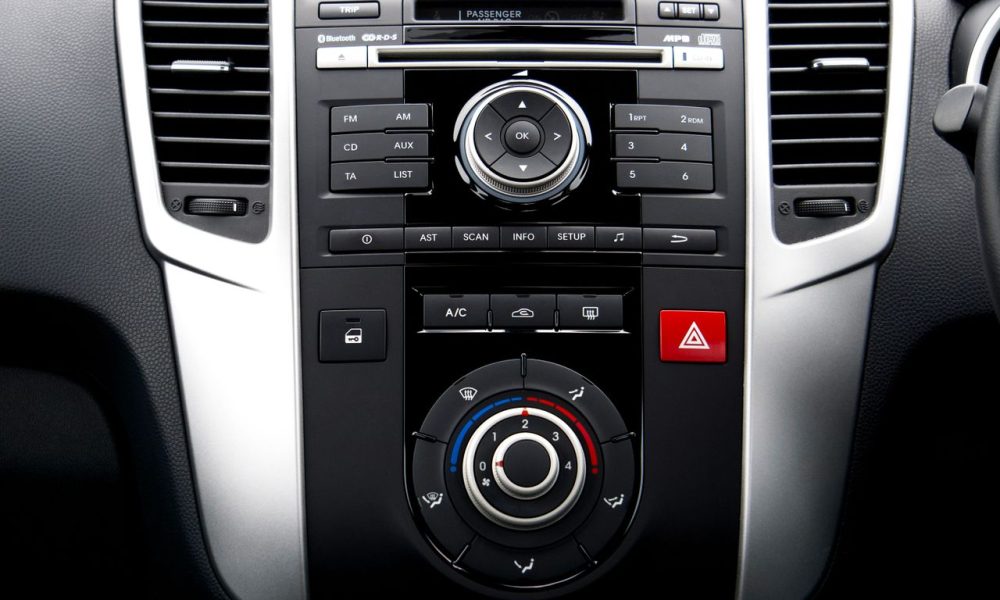
Storage compartments, cup holders, bag hooks and charging points determine everyday convenience more than the chosen materials. The materials still matter: check where surfaces are touched most often, because wear concentrates there. Well-placed, readable controls reduce distractions while driving.
A cabin should be judged with measurable criteria: real space for every seat, seats that hold up on long trips, acceptable noise levels, clear visibility and storage where you need it. An assessment done this way turns a showroom impression into a reliable forecast of everyday comfort.

No Comment! Be the first one.