

Understanding the charging information of an electric car
A guide to reading charging data: battery capacity, charger power, estimated times, connector types and what charging curves actually mean.

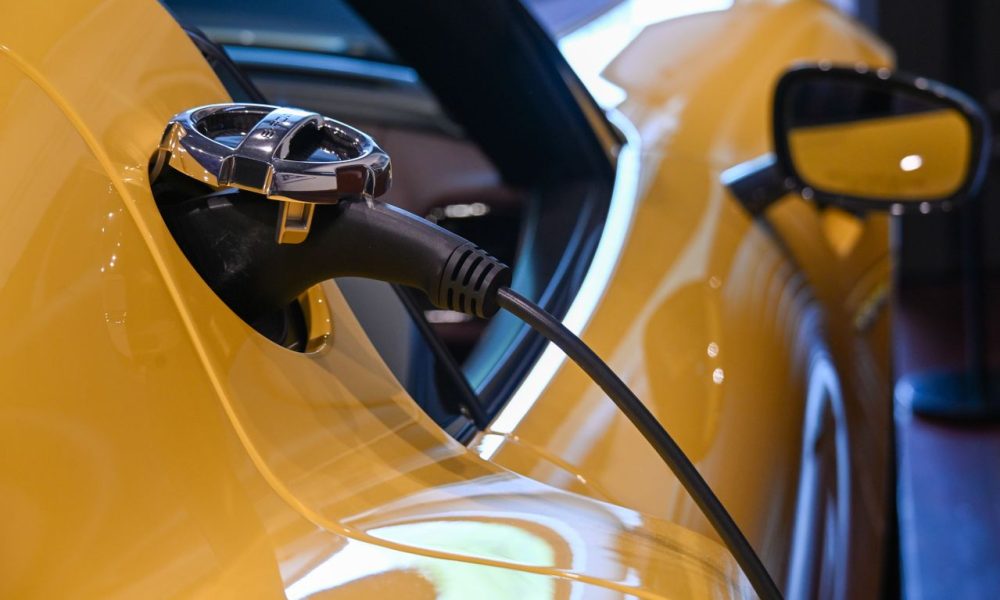
An electric car’s charging figures come with symbols and units that can confuse: kilowatt-hours, kilowatts, 10-to-80-percent times, alternating or direct current. Understanding what each number measures lets you estimate accurately how long charging takes and where it is best done.
Table Of Content
Capacity and declared range
Battery capacity is expressed in kilowatt-hours and represents the amount of energy the pack can hold. Declared range, in kilometres, refers to standardised homologation cycles: it is useful for comparing models with each other, but real-world use varies with temperature, speed and load. The ratio between the two numbers gives a declared average consumption.
Power and charging times
Charging power is given in kilowatts and depends on the onboard charger in alternating current or the direct-current charging capability. Declared times, such as 10 to 80 percent, describe the part of the charging curve where the battery accepts the most power: above 80 percent, charging slows down considerably to protect the cells.
Connectors and charging contexts
Each car can support different connectors: one for home or public alternating current and one for fast direct current. The available infrastructure shapes charging times: a domestic socket delivers far less power than a public rapid column. Checking compatible connectors in advance avoids surprises on a trip.
Reading charging data well means separating capacity, power, times and connectors clearly, remembering that declared values are standardised references. Comparing models on the same parameters and considering your own home or public charging context makes choosing an electric car far more predictable.

No Comment! Be the first one.